


What Are Disadvantages Of A Smart Irrigation System? (2026 Guide)
Smart irrigation systems sound like a dream come true — water your lawn perfectly, save money, and never lift a finger. But here at Wet Willies Sprinkler in Frisco, we get asked all the time: what are the disadvantages of a smart irrigation system? It’s a fair question, and one that deserves an honest answer before you spend your hard-earned money.
The truth is, smart irrigation tech is impressive — but it’s NOT perfect. From upfront costs to connectivity headaches, there are real downsides homeowners should understand. In this 2026 guide, we’ll break it all down so you can decide if going “smart” is right for your yard.
What Is a Smart Irrigation System and How Does It Work?
A smart irrigation system is a sprinkler setup that uses technology — sensors, weather data, and Wi-Fi connectivity — to automatically adjust watering schedules. Instead of running on a fixed timer, it “thinks” about whether your lawn actually NEEDS water. Pretty cool, right?
These systems pull information from local weather forecasts, soil moisture levels, and even the sun’s evaporation rate to decide when and how much to water. The goal is simple: healthier grass with less waste.
- Smart controllers — the “brain” that connects to your home Wi-Fi and adjusts schedules
- Weather-based scheduling — pulls real-time forecast data to skip watering before rain
- Soil moisture sensors — measure how wet the ground already is
- Rain and freeze sensors — pause the system in bad weather conditions
- Mobile app control — lets you manage everything from your phone
- Zone-by-zone customization — different settings for shade, sun, and slopes
What Are the Main Disadvantages of a Smart Irrigation System?
Now for the part you came here for. While these systems offer plenty of benefits, they also come with frustrations that traditional timers simply don’t have. Let’s walk through the biggest drawbacks.
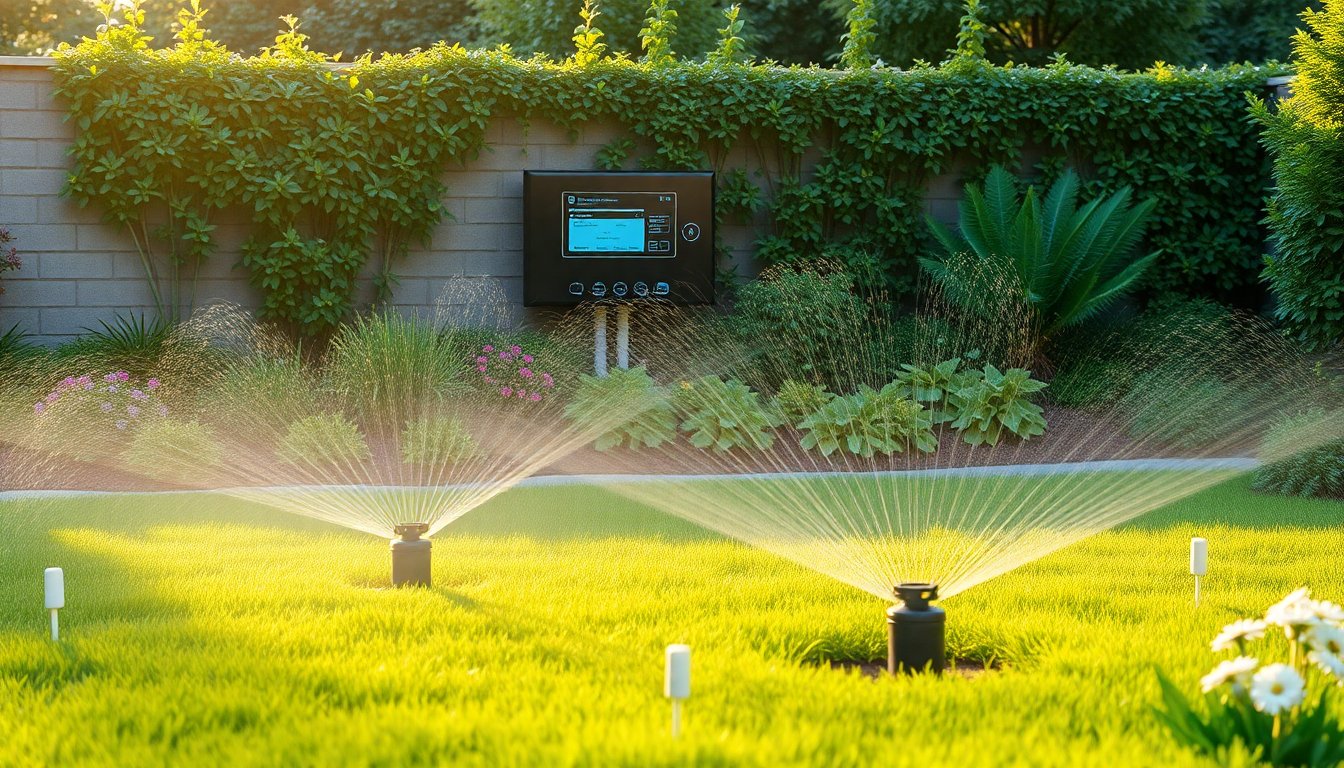
1. Higher Upfront Cost
Smart controllers and sensors cost MORE than a basic timer. You’re paying for the technology, and quality components aren’t cheap. For some homeowners, the price tag alone is a dealbreaker. If you’re considering an upgrade, our team can walk you through professional smart controller installation options that fit different budgets.
2. Reliance on Wi-Fi and Internet
No internet? No smart features. Most of these systems depend on a stable Wi-Fi connection to pull weather data and let you control things remotely. When your network drops, the “smart” part can stop working — leaving you with a fancy timer at best.
3. Steeper Learning Curve
Apps, settings, zones, schedules — it can get overwhelming. Not everyone is tech-savvy, and some homeowners find the setup confusing. If you’re not comfortable with smartphones, the convenience factor takes a hit.
4. Software Glitches and Updates
Like any tech, smart irrigation systems can have bugs. Apps crash. Updates change the interface. Sometimes a software glitch waters your lawn at 3 AM for no reason. These hiccups are annoying — and occasionally costly.
5. Potential Privacy Concerns
These systems collect data — your location, watering habits, even your home network info. For privacy-conscious homeowners, sharing data with a third-party company can feel uncomfortable.
6. Sensor Accuracy Issues
Sensors aren’t flawless. A soil moisture probe placed in the wrong spot, or a weather forecast that’s slightly off, can lead to over- or under-watering. Garbage in, garbage out — as they say.
How Much Does a Smart Irrigation System Cost to Install and Maintain?
Cost is one of the biggest factors homeowners weigh. A smart system isn’t just a one-time purchase — there are ongoing considerations too. Here’s a realistic breakdown of what you might spend in 2026. (Prices vary based on yard size and system complexity.)
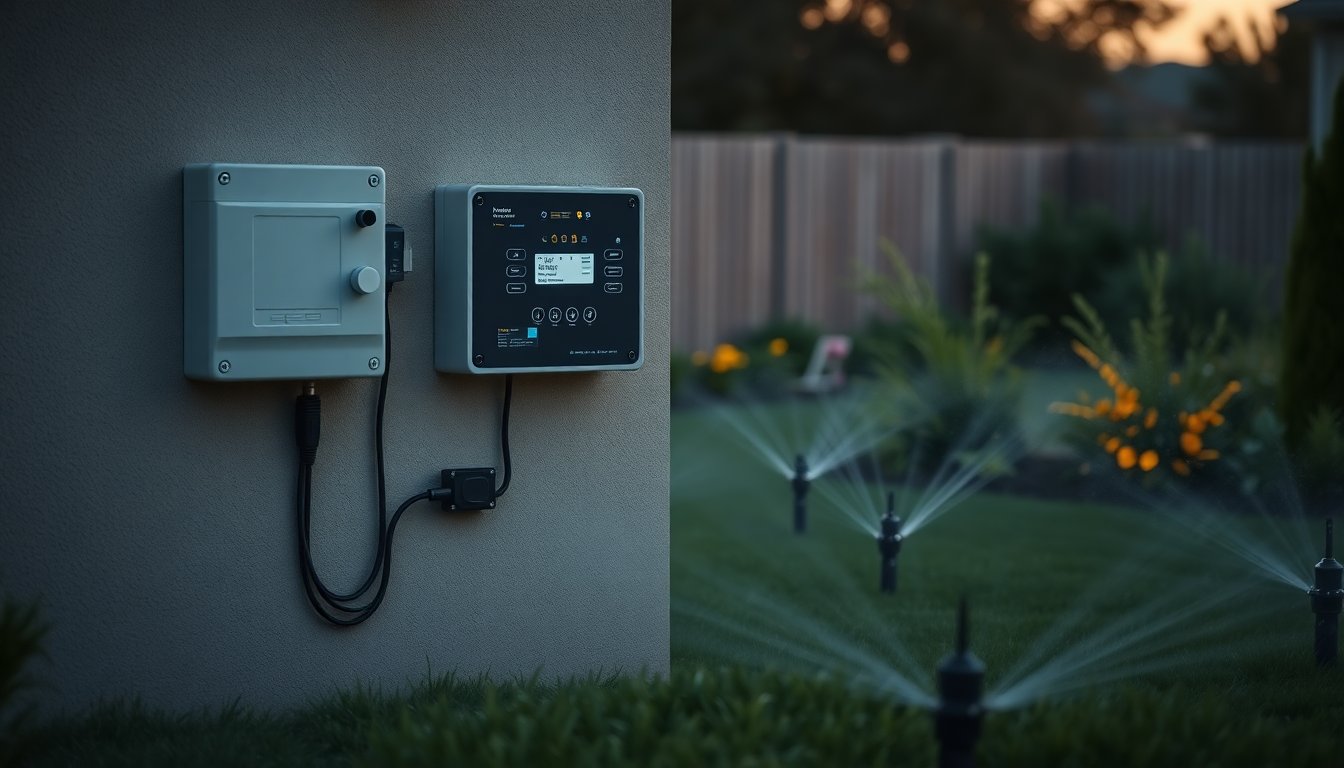
- Smart controller: $150 to $400 for the device alone, depending on brand and features
- Professional installation: $100 to $300 if you don’t DIY — and many people shouldn’t DIY
- Soil moisture sensors: $50 to $150 each, and larger yards may need several
- Rain and freeze sensors: $30 to $100 per sensor for accurate weather pausing
- Ongoing maintenance: $75 to $200 per service visit for tune-ups and troubleshooting
- Subscription fees: some apps charge monthly for premium weather data (usually small, but they add up)
- Repairs and replacements: electronics fail eventually — budget for the occasional fix
When you add it all up, a smart system can cost two to three times more than a traditional setup. That said, water savings over the years can offset some of that — IF the system runs properly. Pairing your controller with a rain and freeze sensor installation is one of the smartest ways to maximize those savings.
What Are the Common Technical and Connectivity Problems?
Technology is wonderful — until it isn’t. Smart irrigation systems introduce a whole new category of problems that simple timers never had. Most of these issues trace back to connectivity, hardware, or software. Here are the ones we see most often in Frisco and surrounding areas.
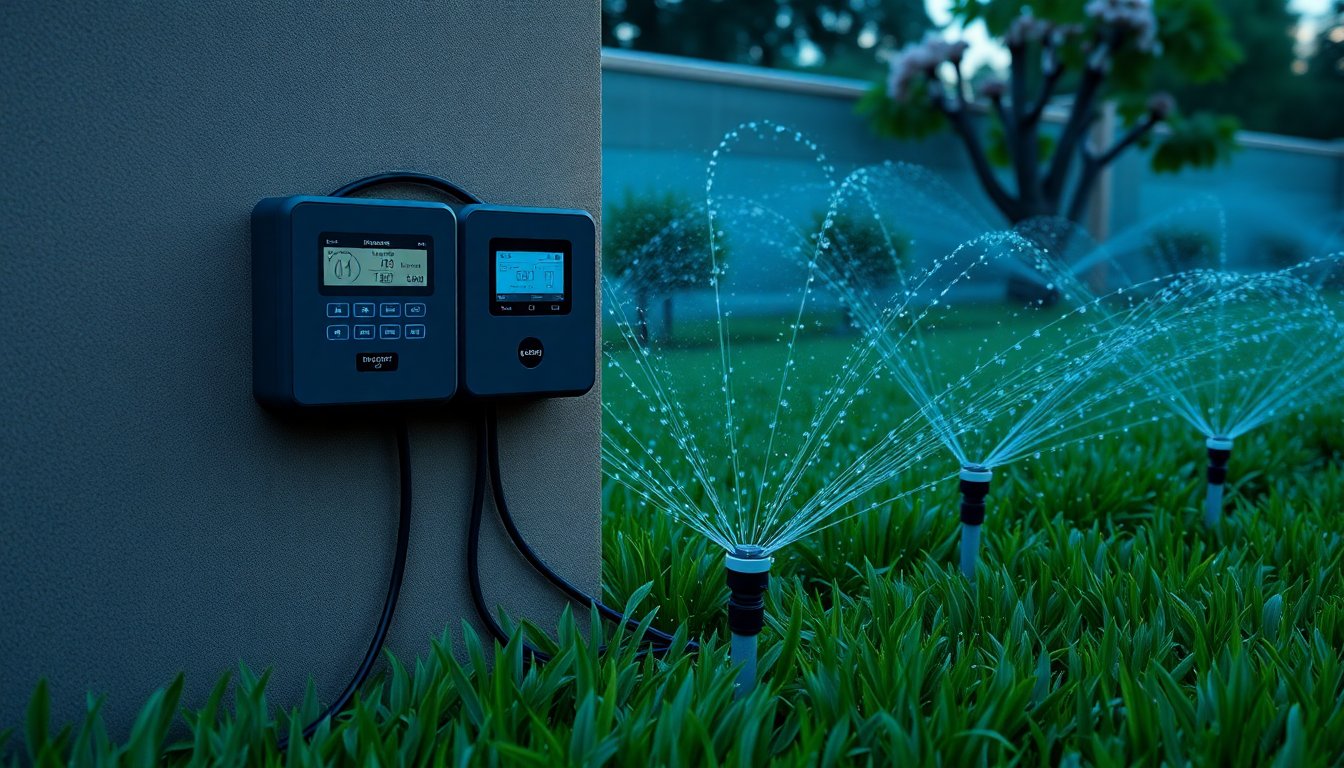
- Weak Wi-Fi signal — controllers mounted in garages or outdoors often struggle to stay connected
- Frequent disconnects — the system loses its link to the app and stops updating schedules
- Failed firmware updates — a botched update can brick the controller entirely
- Sensor miscommunication — wireless sensors lose pairing and report bad data
- App compatibility issues — phone updates sometimes break the manufacturer’s app
- Power interruptions — outages can reset schedules or wipe custom settings
- Inaccurate weather data — local microclimates differ from regional forecasts
These problems aren’t constant, but when they happen, they can leave your lawn thirsty or drowning. A reliable, low-tech alternative like drip irrigation installation can be a great companion or even a replacement for certain garden beds and planting zones — fewer electronics, fewer headaches.
Are Smart Irrigation Systems Worth It Despite the Drawbacks?
Here’s the honest answer — it depends on YOU. For some homeowners, the convenience and water savings are absolutely worth it. For others, the cost and complexity just aren’t. Let’s break it down.
When a Smart System Makes Sense
If you have a large yard, travel often, or live somewhere with unpredictable weather, a smart system can pay off big. The ability to control everything from your phone — and skip watering before a storm — is genuinely valuable. Tech-comfortable homeowners tend to LOVE these systems.
When You Might Want to Skip It
Got a small lawn and a tight budget? A traditional timer might serve you just fine. If you don’t enjoy fiddling with apps or troubleshooting Wi-Fi, the “smart” features could become a source of stress rather than savings.
The Long-Term Value Perspective
Over five to ten years, the water savings CAN justify the cost — but only if the system works reliably. That’s where professional installation and maintenance matter. A poorly set up smart system wastes money instead of saving it. Garbage setup equals garbage results.
Our Honest Take
We’ve installed and repaired both traditional and smart systems across Frisco, Plano, McKinney, and beyond. Smart irrigation is a fantastic tool — but it’s not magic. The homeowners happiest with their systems are the ones who understand the limitations going in.
How to Minimize the Disadvantages of a Smart Irrigation System
The good news? Most of these downsides can be reduced — or avoided entirely — with the right approach. You don’t have to accept glitches and wasted water as the cost of going smart. Here’s how to get the most out of your system while dodging the headaches.
- Invest in a strong Wi-Fi setup. Add a Wi-Fi extender near your controller so connection drops become rare.
- Choose quality over cheap. Bargain-bin controllers fail more often — spend a little more for reliability.
- Get professional installation. Proper sensor placement and zone setup prevent most accuracy problems.
- Schedule regular maintenance. Annual tune-ups catch small issues before they become expensive failures.
- Keep firmware updated — carefully. Update when stable versions are released, not the moment they drop.
- Set a manual backup schedule. A fallback program keeps watering going if connectivity fails.
- Review your settings seasonally. Adjust for summer heat, fall cooldowns, and winter freezes.
- Pair smart and simple tech. Use drip lines for beds and smart zones for turf to balance reliability and control.
Follow these steps and most of the disadvantages shrink dramatically. The difference between a frustrating smart system and a fantastic one usually comes down to setup and upkeep — not the technology itself.
Conclusion
So — what ARE the disadvantages of a smart irrigation system? Higher upfront costs, Wi-Fi dependence, a learning curve, software glitches, privacy concerns, and occasional sensor inaccuracies. These are real issues worth considering before you upgrade. But here’s the thing: nearly all of them can be minimized with quality components, professional installation, and routine maintenance.
At Wet Willies Sprinkler, we help homeowners across Frisco, Prosper, McKinney, Plano, and the surrounding communities make smart, informed decisions about their irrigation — whether that means going high-tech or sticking with a reliable traditional setup. If you’re weighing your options, reach out to our team and let’s find the perfect watering solution for YOUR yard.


