


Why Sprinkler System Not Working? (Quick Fixes & Tips)
There’s nothing quite as frustrating as walking outside on a hot Texas morning only to find your sprinkler system NOT working. Maybe the heads aren’t popping up. Maybe one zone is bone dry while another floods the driveway. Whatever the case, a broken sprinkler system can leave your lawn stressed and your water bill climbing — fast.
At Wet Willies Sprinkler in Frisco, we’ve seen just about every sprinkler problem you can imagine. In this guide, we’ll walk you through the most common reasons your system might quit, how to troubleshoot it yourself, and when it’s time to call in the pros. Let’s get that lawn green again.
Common Reasons Why a Sprinkler System Stops Working
Sprinkler systems have a lot of moving parts — controllers, valves, pipes, heads, and wiring. When something goes wrong, it’s usually one (or more) of a handful of usual suspects. Before you panic, it helps to know what you’re actually dealing with. Most of the time, the culprit is something simple.
Here are the most common reasons a sprinkler system stops working:
- Controller/timer issues — dead batteries, tripped breakers, or programming that got wiped out after a power outage.
- Faulty valves — solenoids fail, diaphragms wear out, or debris gets stuck inside.
- Clogged or broken sprinkler heads — dirt, grass, and mineral buildup love to block those tiny nozzles.
- Wiring problems — corroded connections or chewed wires (thanks, rodents).
- Low water pressure — from a partially closed valve, a leak, or supply issues.
- Broken pipes — freeze damage, shifting soil, or an unlucky shovel.
- Blown fuse in the controller — often caused by a short in the field wiring.
Knowing which category your problem falls into makes fixing it a whole lot easier. Now let’s start troubleshooting.
How to Troubleshoot a Sprinkler System That Won’t Turn On
If your ENTIRE system refuses to run, the problem is usually at the source — the controller, the power, or the main water supply. Don’t start digging up your yard just yet. Work through these steps in order and you’ll likely find the issue without breaking a sweat.
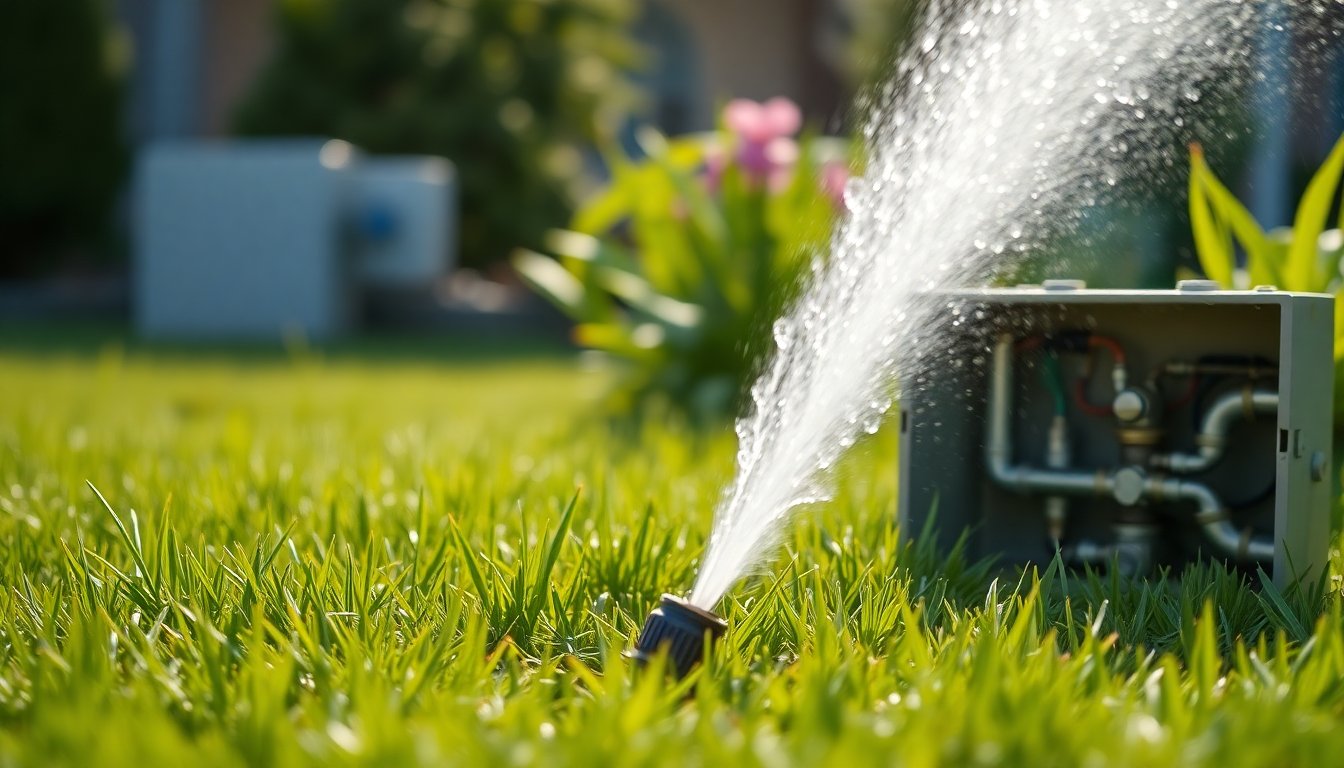
- Check the power. Make sure the controller is plugged in and the display is lit up. If it’s dark, check the outlet and your home’s breaker panel.
- Replace the backup battery. A dead battery can scramble your programming after a power blip. Swap it and re-enter your schedule.
- Verify the program. Confirm the start times, run durations, and zone settings are correct. It’s easy to accidentally set everything to “off.”
- Check the rain sensor. If you have one, a stuck or triggered sensor can pause the whole system. Try bypassing it temporarily.
- Inspect the main water valve. Make sure the shut-off valve to your irrigation system is fully OPEN. Someone may have closed it during winter.
- Run a manual test. Use the controller’s manual mode to trigger each zone one at a time. This tells you if the problem is system-wide or zone-specific.
- Look for a blown fuse. Many controllers have a small fuse inside. If it’s blown, that’s a sign of a wiring short that may need a professional touch.
If you’ve run through all of that and STILL have nothing, the issue is likely in the valves or wiring. Regular sprinkler system maintenance can catch these problems early — before they leave your lawn thirsty.
Why Are Some Sprinkler Zones Not Working?
Sometimes the whole system works fine except for one stubborn zone. When that happens, the problem is almost always localized. Here’s how to narrow it down.
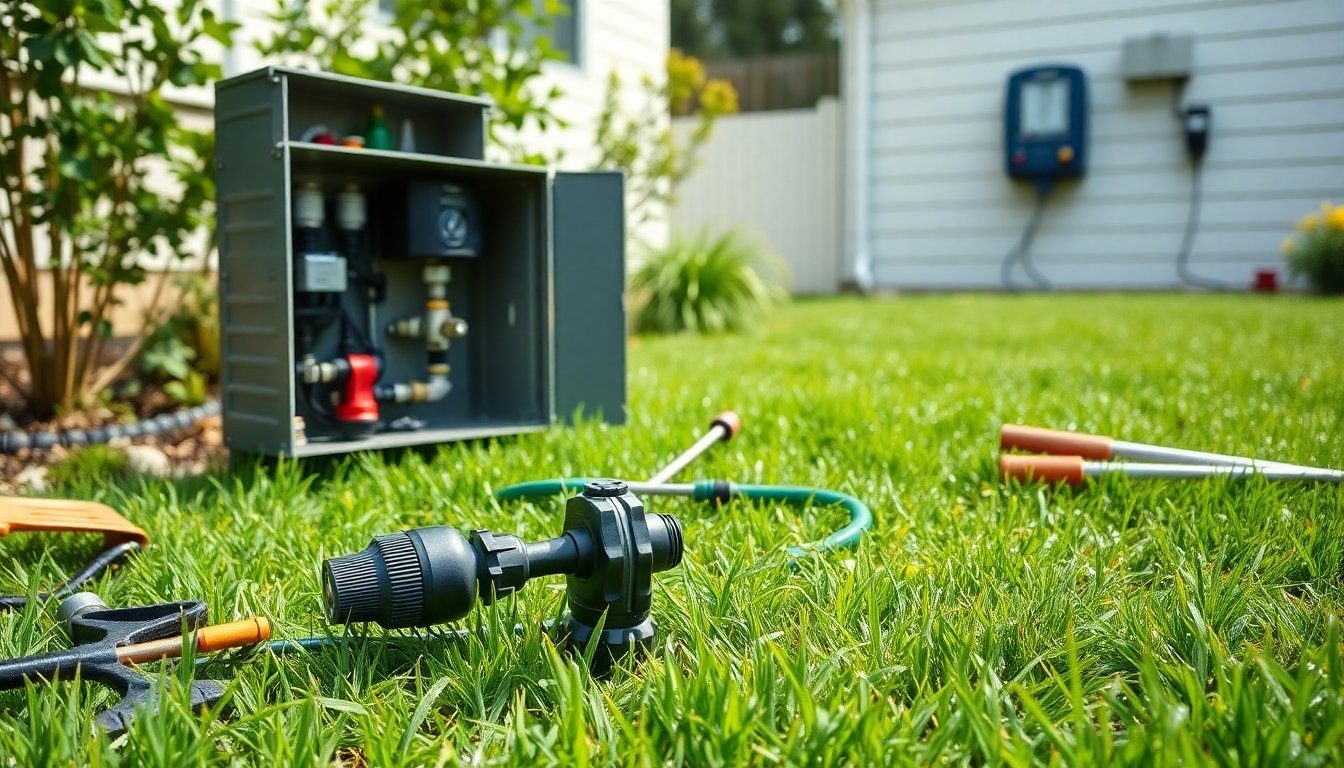
The Valve Isn’t Opening
Each zone is controlled by its own valve. If a solenoid burns out or the valve gets jammed with debris, that zone won’t get water — even though the controller is telling it to run. You might hear a faint click at the controller but see no water flow.
A Wiring Problem to That Zone
If the wire running to a specific valve is corroded, cut, or disconnected, the controller can’t send the signal to open it. This is common in older systems or after landscaping projects where wires got nicked.
Clogged Heads or Nozzles
A whole zone can look “dead” if the heads are clogged with dirt or mineral buildup. Water may be reaching them but barely trickling out. Cleaning or replacing the nozzles often solves it.
Broken Pipe in the Zone
If a pipe cracks underground, water pressure drops and some heads won’t rise. Look for soggy spots, sunken soil, or water pooling where it shouldn’t be — those are telltale signs.
Pressure Imbalance Between Zones
If too many heads are running on one zone (or the wrong nozzles were installed), pressure can drop enough that some heads simply won’t pop up. This is a design issue that’s worth having evaluated.
How to Fix Low Water Pressure in Sprinkler Systems
Weak, drooping spray is one of the most common complaints we hear. Low pressure means your lawn isn’t getting even coverage — and dry patches follow. The good news? Many pressure problems have DIY fixes. Here’s how to tackle them step by step.
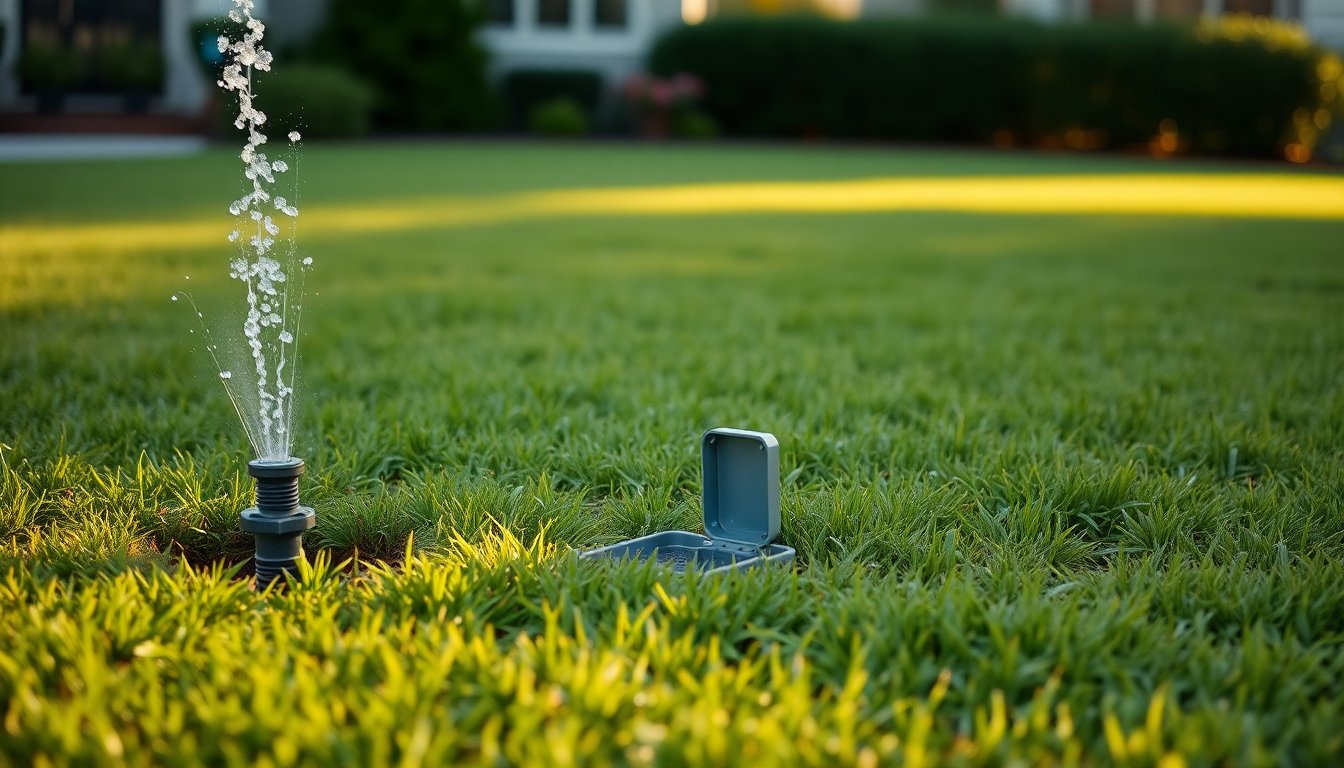
- Check the main shut-off and backflow valves. Make sure they’re fully open. Even a slightly closed valve chokes your pressure dramatically.
- Inspect for leaks. A cracked pipe or leaking fitting bleeds off pressure before it reaches your heads. Look for wet spots and unusually green grass.
- Clean the sprinkler heads. Unscrew the nozzles and rinse out dirt and debris. Mineral buildup is a huge pressure killer here in North Texas.
- Reduce the number of heads per zone. If a zone has too many heads, no single head gets enough water. Splitting the zone can help.
- Check the pressure regulator. If your system has one, it may be set too low or malfunctioning. Adjusting it can restore proper flow.
- Test your home’s water pressure. If pressure is low everywhere (not just the sprinklers), the issue may be with your municipal supply or main line.
If cleaning and adjusting don’t do the trick, worn-out heads may be the problem. Our team handles sprinkler head repair to get every zone spraying evenly again.
When to Repair vs. Replace Sprinkler System Parts
Here’s the age-old question: fix it or replace it? Sometimes a quick repair is all you need. Other times, throwing money at an old part is just delaying the inevitable. The right choice depends on the part, its age, and how often it’s failing. Let’s break it down.
- Sprinkler heads — Usually REPLACE. Heads are cheap, and a cracked or worn head rarely repairs well. Swapping it is fast and affordable.
- Valves — Depends. A stuck valve or bad solenoid can often be repaired. But if the valve body is cracked or the diaphragm is shot repeatedly, replace it.
- Controllers — Repair minor issues (batteries, fuses). But if it’s an old model with limited features and frequent failures, an upgrade is worth it.
- Pipes — Repair small cracks with a coupling. Replace long runs that are brittle or repeatedly failing.
- Wiring — Repair single breaks. Replace if the whole system’s wiring is corroded and unreliable.
- Backflow preventers — Often repairable with a rebuild kit, but severe corrosion means replacement.
A good rule of thumb: if the repair costs more than half of a replacement — and the part is aging — just replace it. For failing valves, our sprinkler valve replacement service saves you the headache of repeated breakdowns.
When Should You Call a Professional for Sprinkler Repair?
We’re all for a good DIY fix. Cleaning a head or resetting a controller? Go for it. But some sprinkler problems are trickier — and trying to force them can make things worse (or more expensive). Knowing when to hand it off saves you time, water, and frustration.
Call a professional when you run into any of these:
- Electrical or wiring issues — diagnosing shorts and buried wire breaks takes specialized tools.
- Persistent low pressure — after you’ve checked the obvious stuff and it’s still weak.
- Underground leaks or broken mainlines — these need proper locating and digging to fix right.
- Multiple zones failing at once — often points to a controller or wiring problem beyond a quick fix.
- Backflow preventer problems — these protect your drinking water and often require certified repair.
- System redesign or expansion — adding coverage or fixing poor design is a job for pros.
- You just don’t have the time — sometimes it’s worth letting someone else handle it.
We proudly serve Frisco, Prosper, McKinney, Plano, Carrollton, Little Elm, Allen, The Colony, Wylie, Rockwall, Rowlett, Murphy, Melissa, Anna, Van Alstyne, Celina, Fairview, Lucas, and Flower Mound. Wherever you are in the area, we’ve got your lawn covered.
Conclusion
A sprinkler system that’s not working doesn’t have to ruin your lawn — or your weekend. Most problems trace back to a few common culprits: the controller, the valves, clogged heads, or low pressure. Start with the simple checks (power, batteries, open valves, clean nozzles), and you’ll solve a surprising number of issues yourself.
But when the problem runs deeper — wiring, leaks, or failing valves — that’s where the pros come in. At Wet Willies Sprinkler, we’re here to keep your system running strong all season long. If your sprinklers are giving you trouble, reach out and let’s get your lawn back to green.


